
INSIDE SEYIFUNMI MAKINDE’S VERY MAD VISUAL UNIVERSE
Very Mad Films calls itself a place where “MAD means Masterful.” In Seyifunmi Makinde’s hands, that sounds less like a slogan and more like a working method: take the ambitious idea, complicate it further, then execute it until the chaos looks inevitable.
By Asteroid Media
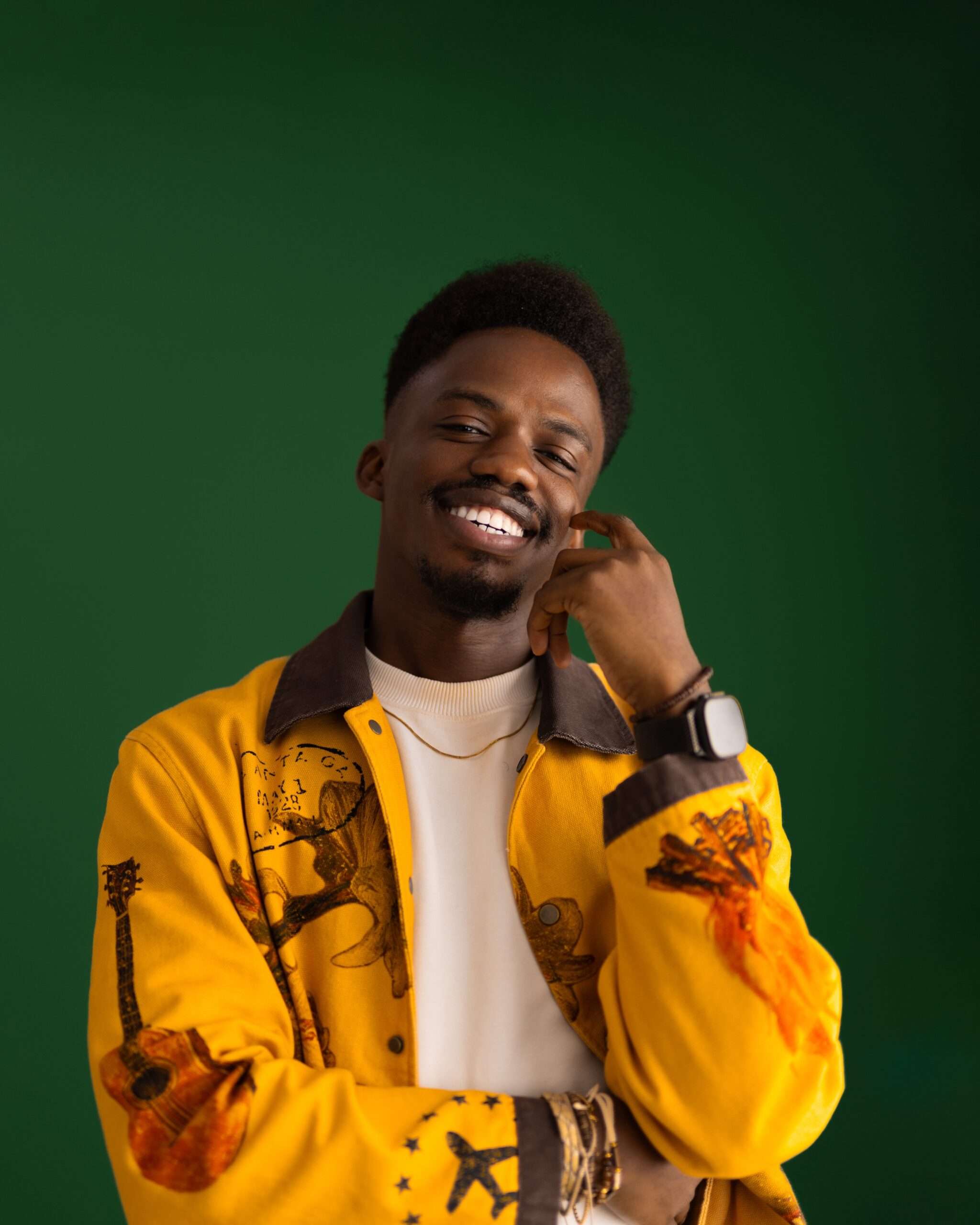
Seyifunmi Makinde approaches filmmaking with the belief that a strong visual should do more than simply look beautiful. Every frame should carry an idea, shape a mood or reveal something about the world being created around it. Whether he is directing a music video, shooting a fashion campaign or building a promotional film, the image is always working toward a larger purpose.
That instinct sits at the centre of Very Mad Films, the Lagos production company Makinde curates across films, commercials, visualisers, brand micro-series and creative campaigns. Its public positioning is unusually direct: the goal is to help brands become “culture giants.”
The Camera Came Before The Statement
Before the bigger directing credits, Makinde was building his language through cinematography.
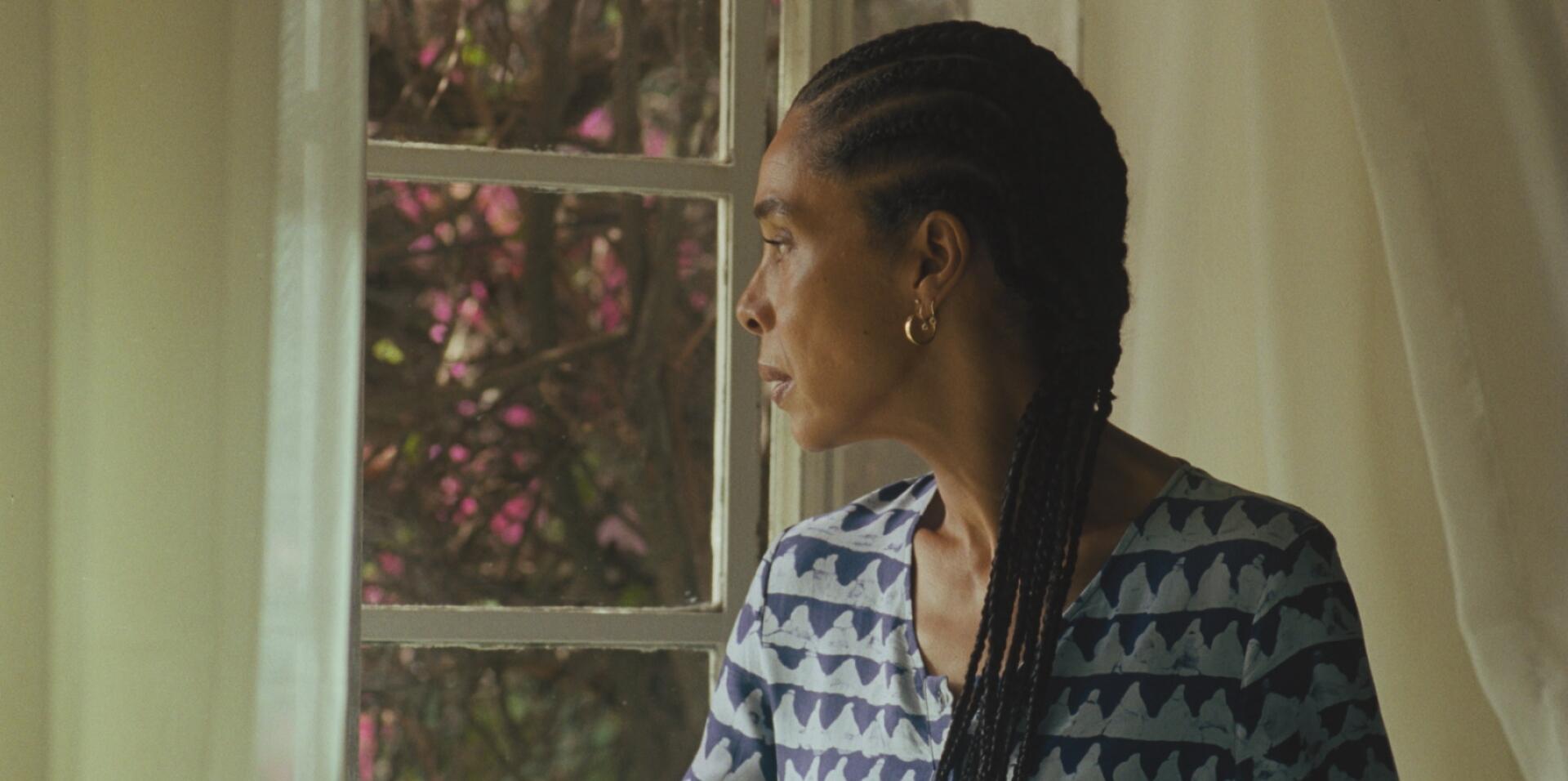
IMDb credits him as cinematographer on the 2025 short Henry, Reporting. More recently, he has worked as director of photography on fashion and commercial projects with Agba Studios, including a Rainy outerwear campaign and a deliberately stripped-back beauty visual inspired by “brutal minimalism.”
That range matters because it reveals one of his strengths: he understands the frame before he decorates it.
His work does not appear committed to one fixed colour grade, lens trick or trendy visual signature. The repeatable quality is more conceptual. The image changes because the idea changes.
Forty-Two Takes For One Shot
That philosophy becomes clearest in Shoday’s 2026 video for “MOVE,” co-directed by Shoday and Makinde for Very Mad Films.
The visual openly draws inspiration from Childish Gambino’s This Is America, but relocates the language into contemporary Nigeria. Very Mad Films describes it as a one-take film about what is happening in Nigeria, while viewers have pointed out layered background actions and social references that reward repeated watching.
The technical detail is almost as revealing as the concept.
According to Purp Kulture, the production went through 42 takes to achieve the final shot.
That is what “Very Mad” seems to mean in practice. The madness is not randomness. It is obsessive control disguised as spontaneity.
One uninterrupted image only works when performance, camera movement, blocking, timing and background action all agree at precisely the same moment.
Also Makinde’s work with Funke Akindele on The Four shows another side of that instinct.
For the film’s train-station promotional visual, Akindele publicly credited Makinde and Very Mad Films for bringing the idea to life, emphasising the planning, long hours, repeated takes and attention to detail behind something designed to appear effortless.
It is a useful description of Makinde’s wider craft.
The audience should see the idea.
Not the labour required to manufacture it.
That ability to move between music video, film promotion, fashion imagery and commercial cinematography is what makes his trajectory interesting. Very Mad Films is not positioning itself solely as a music-video house. Its own language spans film, brands and culture, suggesting Makinde is building a studio around visual problem-solving rather than one format.
No Director Works Alone
Very Mad Films also appears deliberately collaborative.
While recent productions visibly expand through stylists, glam teams, art directors, photographers, performers and outside creatives. Akindele herself stressed that the Four campaign was “never a one-person job,” praising the wider crew alongside Makinde and VMF.
That matters because directing is ultimately the art of making many people’s disciplines feel like one thought.
Makinde’s strongest work understands this.
The camera is not competing with styling. Production design is not separate from performance. The concept decides what every department needs to become.
Where The Madness Leads
It may still be too early to reduce Seyifunmi Makinde to a recognisable formula.
That is probably a good thing.
What is taking shape instead is a director interested in ideas with visual consequences: a one-take social commentary that demands 42 attempts, a fashion campaign built around colour and movement, a beauty film stripped down to raw materials, a cinema promotion elaborate enough to transform a train station into part of the story.
Very Mad Films is still writing its vocabulary.
But the name already tells us something important about the ambition behind it.
Anyone can have the mad idea.
The artistry is making it look masterful.