
THE NEW SOUND OF LAGOS ISN’T AFROBEATS
Afrobeats gave Lagos a passport to the world. But beneath the global phenomenon, a younger, stranger and far less obedient sound is forming across the city.
By Asteroid Media
For more than a decade, the easiest way to explain Lagos to the rest of the world has been through Afrobeats.
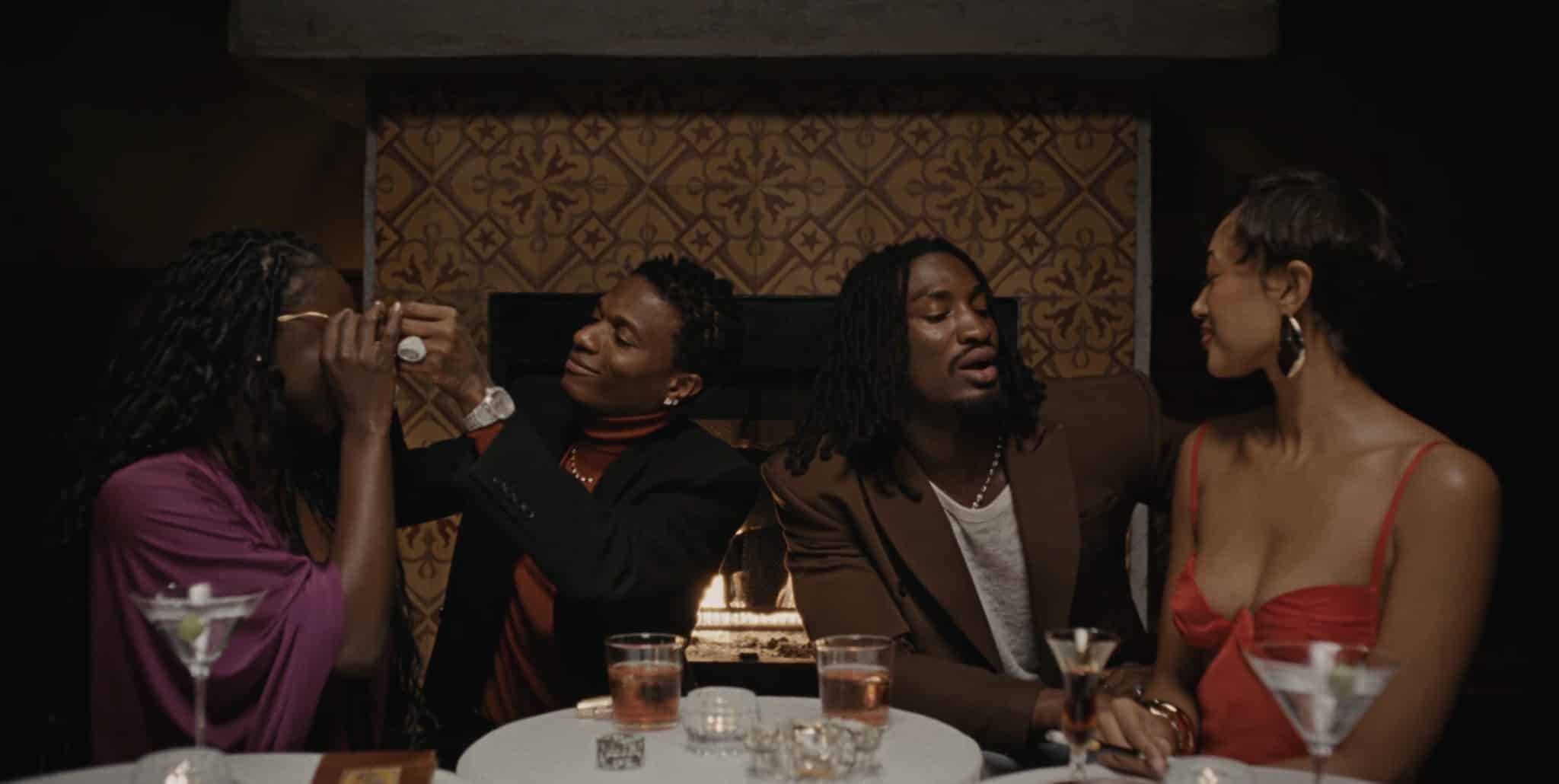
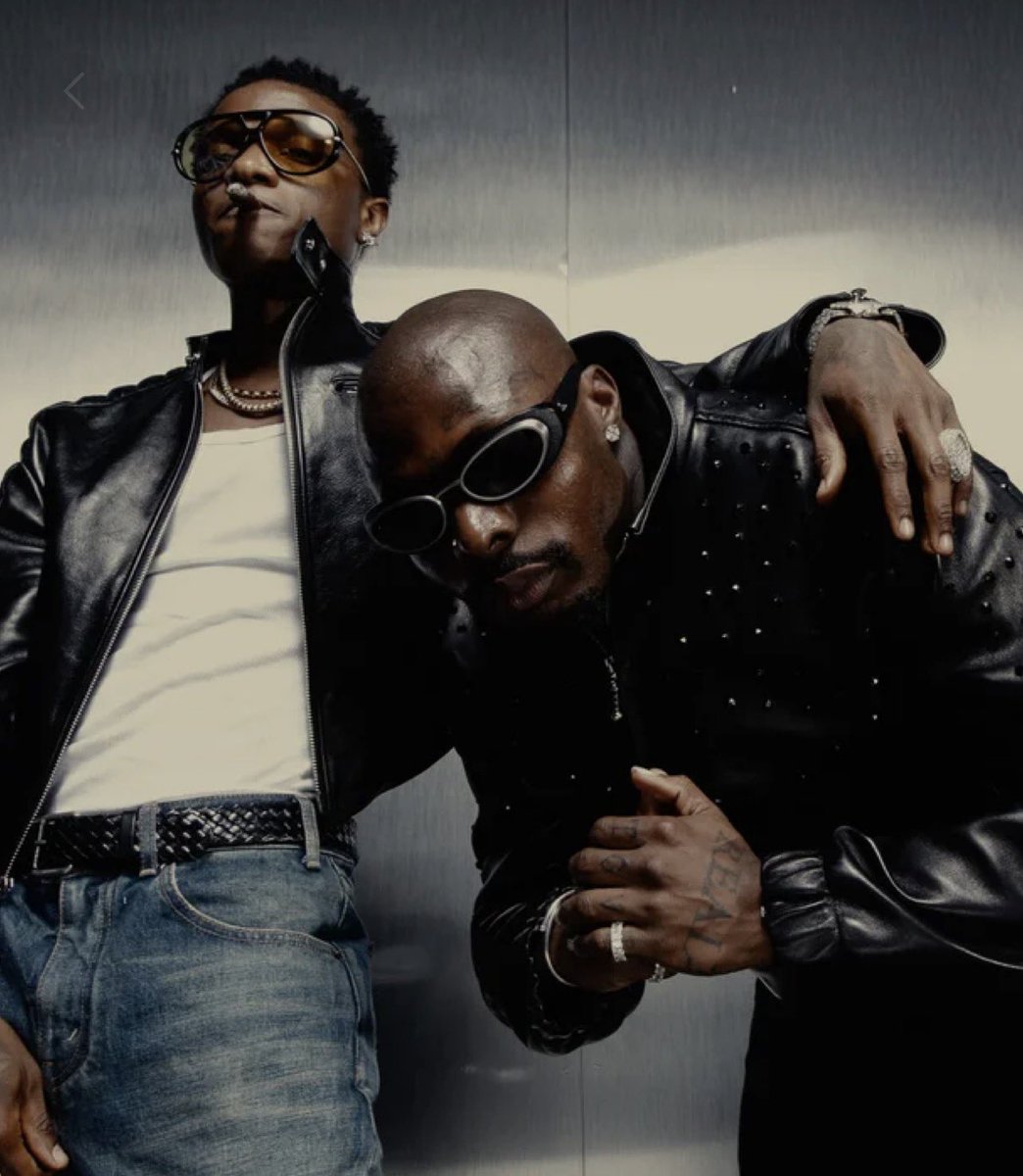
The rhythm travelled. Wizkid carried it across oceans. Burna Boy pushed it onto stadium stages. Davido turned it into pop spectacle. Tems bent it towards soul. Rema stretched its borders further. Somewhere along the way, “Afrobeats” became shorthand for an entire country’s musical imagination.
Except Lagos was never that simple.
Listen closely to the city in 2026 and something is changing. Not because Afrobeats has disappeared, or because the genre has suddenly lost its cultural power. It remains the dominant Nigerian musical export and one of Africa’s most important contemporary sounds.
What has changed is everything happening underneath it.
In warehouses, beach raves, bedrooms, private listening parties, university circles and small stages scattered across the city, young Lagos is producing music that refuses to sit comfortably inside one genre. House is colliding with indigenous percussion. Rage rap is absorbing Nigerian street language. Alté is mutating again. R&B is becoming stranger and more atmospheric. DJs are introducing crowds to Afro-house and Afrotech records that may never touch mainstream radio.
The new Lagos sound is not one sound at all.
And that may be the point.
Lagos Has Entered Its Post-Genre Era
Trying to explain some of Nigeria’s newest artists through conventional genre labels can feel almost pointless.
One song sounds like trap. The next carries Afropop melodies. Another pulls from alternative R&B. Somewhere underneath sits a Nigerian rhythm that makes everything unmistakably familiar.
The NATIVE has described Nigeria’s underground as one of the spaces where the country’s most aggressive experimentation and hybridisation is currently happening. New artists are moving between rap, melody, R&B, street-pop and alté without treating those genres as separate worlds.
The internet has accelerated this collapse.
A teenager in Lagos can grow up hearing Wizkid at family parties, Asake in an Uber, South African amapiano at a rave, Playboi Carti on TikTok, Lancey Foux through SoundCloud, old Fuji from their parents and house music at 3 a.m. in Lekki.
Eventually, all of it enters the same studio.
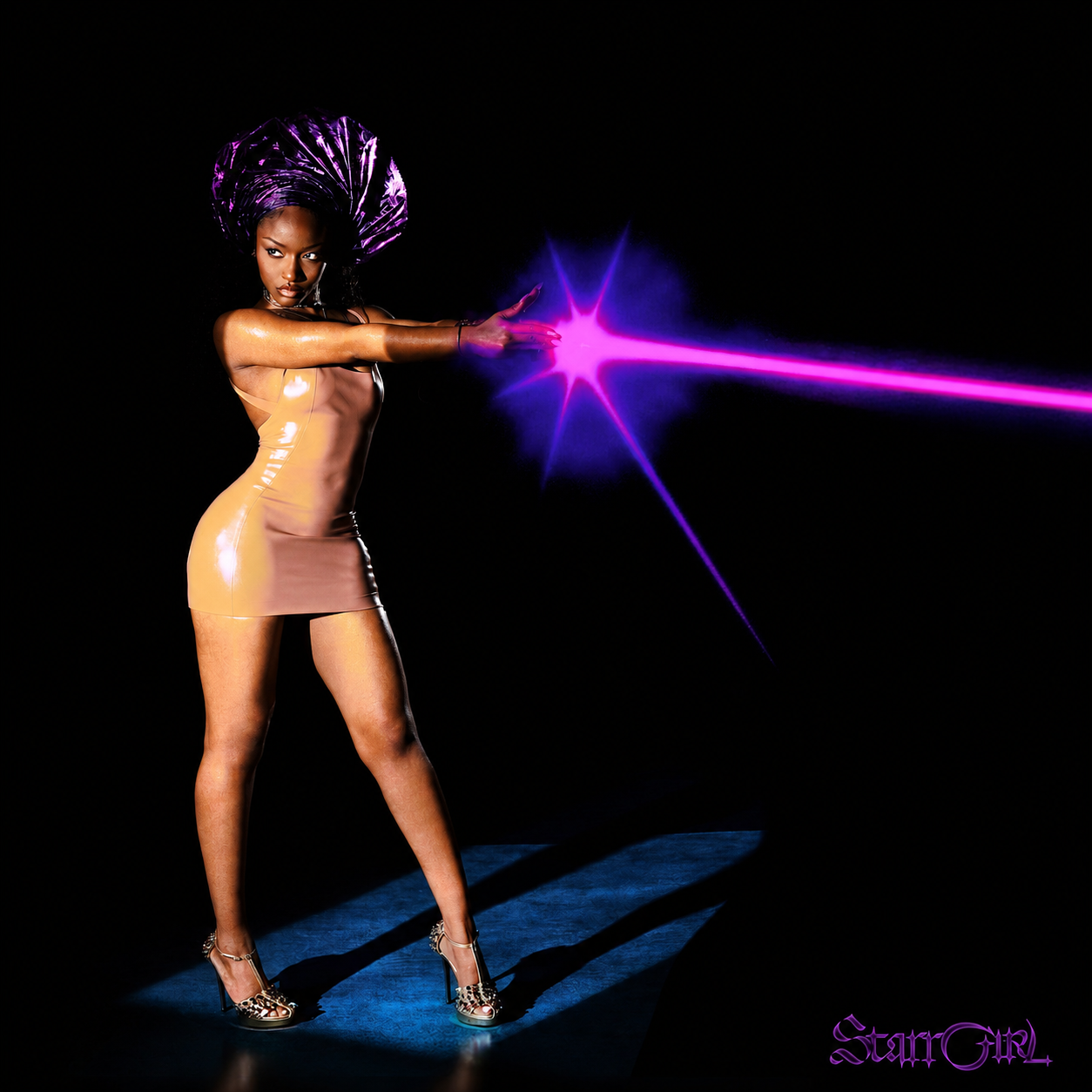
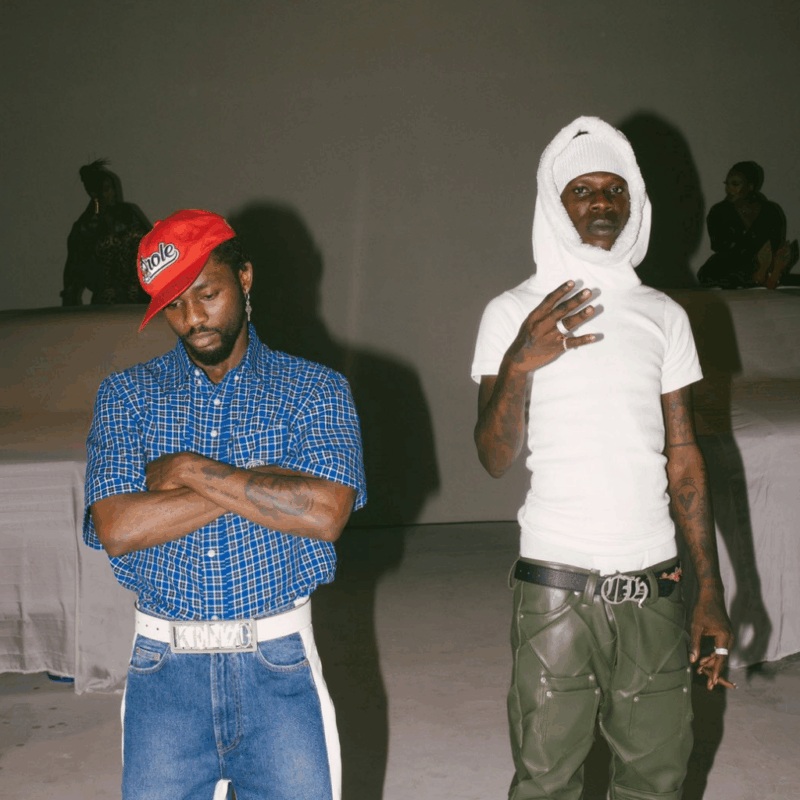
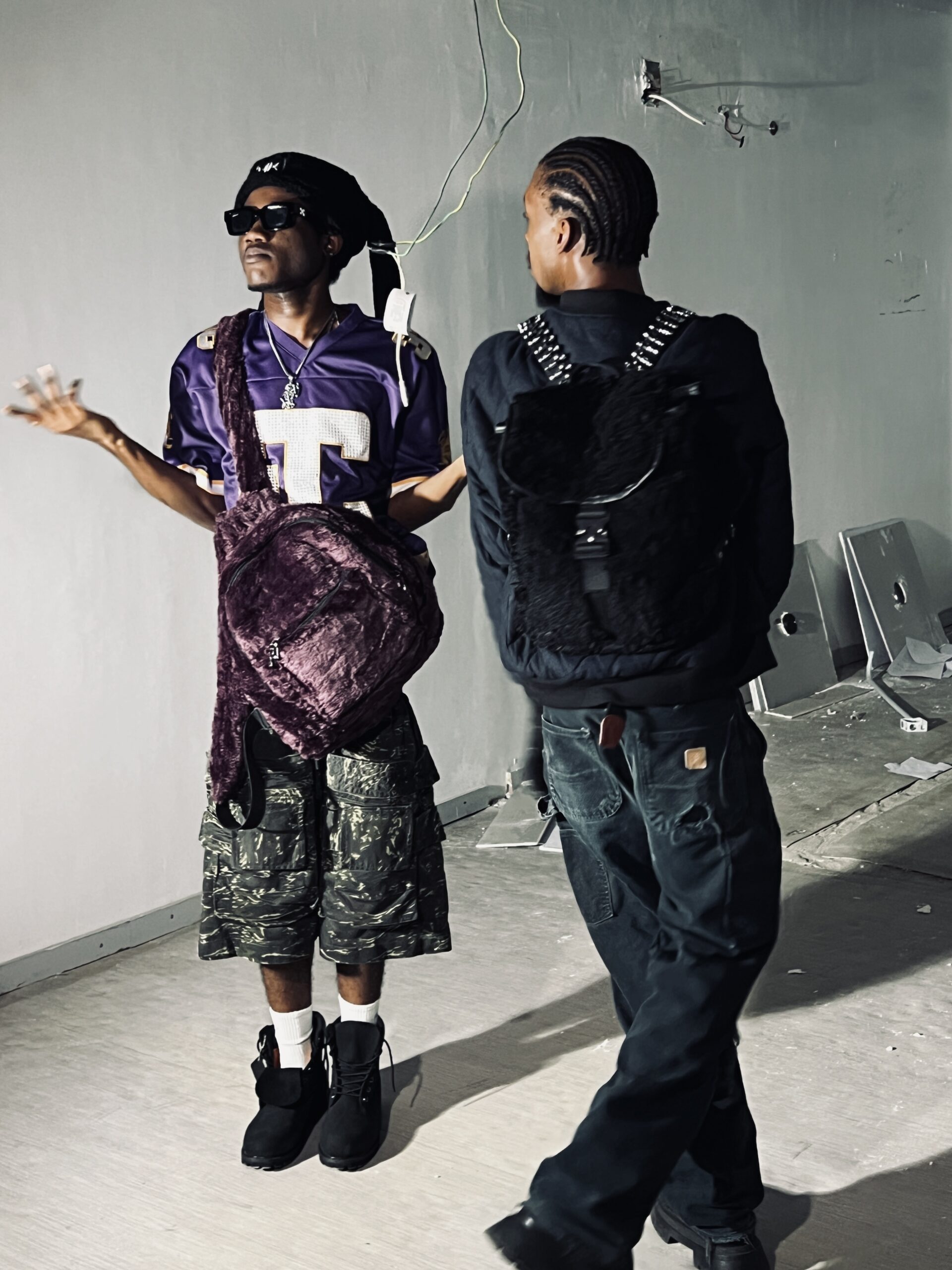
That collision is producing artists like Zaylevelten, Wave$tar, Luwa.mp4, Monochrome, S1orDie, scottyolorin and DaveTheOracle, members of a rapidly developing underground that owes as much to internet rap culture as it does to the Nigerian pop establishment.
Dazed described this emerging scene as existing outside Afrobeats’ gravitational pull, with frantic synths, trap drums, 808s and highly local Nigerian language creating music that feels immediate rather than polished for export.
Zaylevelten is particularly symbolic of the shift. His sound folds heavy trap production into Lagos street vernacular, while phrases and ad-libs from his music have migrated into Gen Z culture beyond the records themselves. The Guardian notes that his core audience has already transformed live performances into mosh-pit-heavy spaces that look very different from the choreography traditionally associated with Afrobeats concerts.
This is music being built by people who have never accepted that Nigerian music must sound Nigerian in only one particular way.
Then The Club Changed Too
The transformation is perhaps even more obvious after midnight.
Lagos nightlife used to revolve heavily around mainstream records, expensive tables and the social theatre of being seen. But a parallel party ecosystem has grown around something different: dancing.
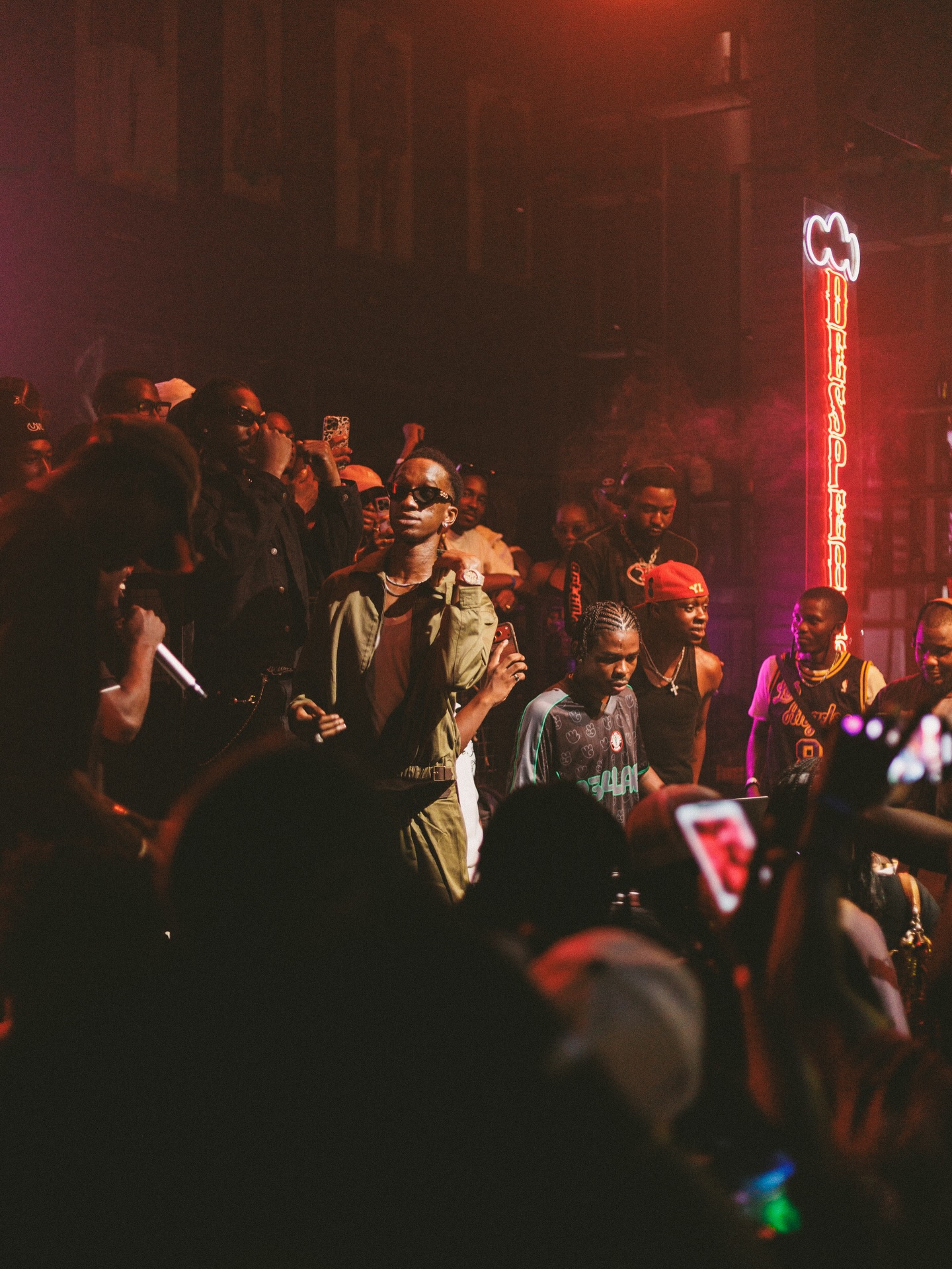
Group Therapy, Element House, Sweat It Out and other electronic communities are developing audiences around house, Afro-house, Afrotech, amapiano and experimental dance music. YNaija describes a Lagos rave ecosystem spreading from the Mainland to the Island, with collectives creating spaces that prioritise music and the dance floor over the traditional VIP-table structure.
And it is no longer tiny.
Black Noise Research identified 199 electronic-music events across seven Nigerian cities in just the first six months of 2026, tracking a scene expanding quickly enough to develop its own ecosystem of DJs, promoters, producers and audiences.
Earlier this year, thousands of mostly young Lagosians packed a Group Therapy rave in Lekki. The Associated Press reported that the event had become an affordable alternative to club culture, with house music and African electronic sounds sitting at the centre of the experience.
This summer, another symbolic moment arrived.
Mixmag brought The Lab to West Africa for the first time, filming its Lagos edition at Element House, with Momoda and Lagos-based Icey headlining alongside Sons of Ubuntu, Dèjì and Weareallchemicals.
Lagos did not suddenly discover electronic music because an international platform arrived.
The international platform arrived because Lagos had already built a scene worth watching.
Afrobeats Isn’t Dying. The Map Is Getting Bigger.
Calling this the end of Afrobeats would miss what is actually exciting about the moment.
Afrobeats is not being replaced.
It is losing its monopoly on how outsiders understand Nigerian youth culture.
Even mainstream Nigerian music is becoming increasingly difficult to categorise. Music in Africa describes Nigeria’s 2026 output as increasingly borderless, moving freely through Afrobeats, R&B, rap, gospel and other hybrid forms.
Meanwhile, house music is growing. Alternative live spaces are multiplying. Rage rap is escaping SoundCloud. Street-pop keeps mutating. DJs are turning obscure electronic records into Lagos nightlife anthems. Young singers are rediscovering soul, jazz and indie textures.
There is no single successor waiting to inherit Afrobeats’ crown.
Instead there are dozens of small revolutions occurring simultaneously.
That feels more appropriate for Lagos anyway.
This is a city where danfos scream beside Range Rovers, where generators hum beneath nightclub bass, where churches, street vendors, construction sites and car horns compete for the same piece of air.
Why should its music ever remain one thing?
Perhaps the next great Nigerian genre will eventually emerge from all this noise. Someone will name it. Streaming platforms will create playlists for it. International journalists will attempt to explain where it came from.