
DESIGN BEYOND BORDERS: INSIDE AFRICA FASHION WEEK LONDON 2026
For its 16th edition, Africa Fashion Week London did more than put African clothes on a London runway. It made a case for an industry increasingly uninterested in asking permission to belong.
By Asteroid Media
African fashion has spent far too long being introduced with the word emerging.
Emerging into what, exactly?
For seven days in August, Africa Fashion Week London offered a different answer. Its 2026 edition, held from August 17 to 23 under the theme “Design Beyond Borders,” brought designers, entrepreneurs, musicians, educators and buyers together across London, culminating at 8 Northumberland Avenue near Trafalgar Square. Now in its 16th year, AFWL says it has showcased more than 3,000 designers and creatives since launching in 2011.
But the interesting part was not simply that African fashion had arrived in London again.
It was how confidently it refused to stay inside one definition.
Africa Is Not One Aesthetic
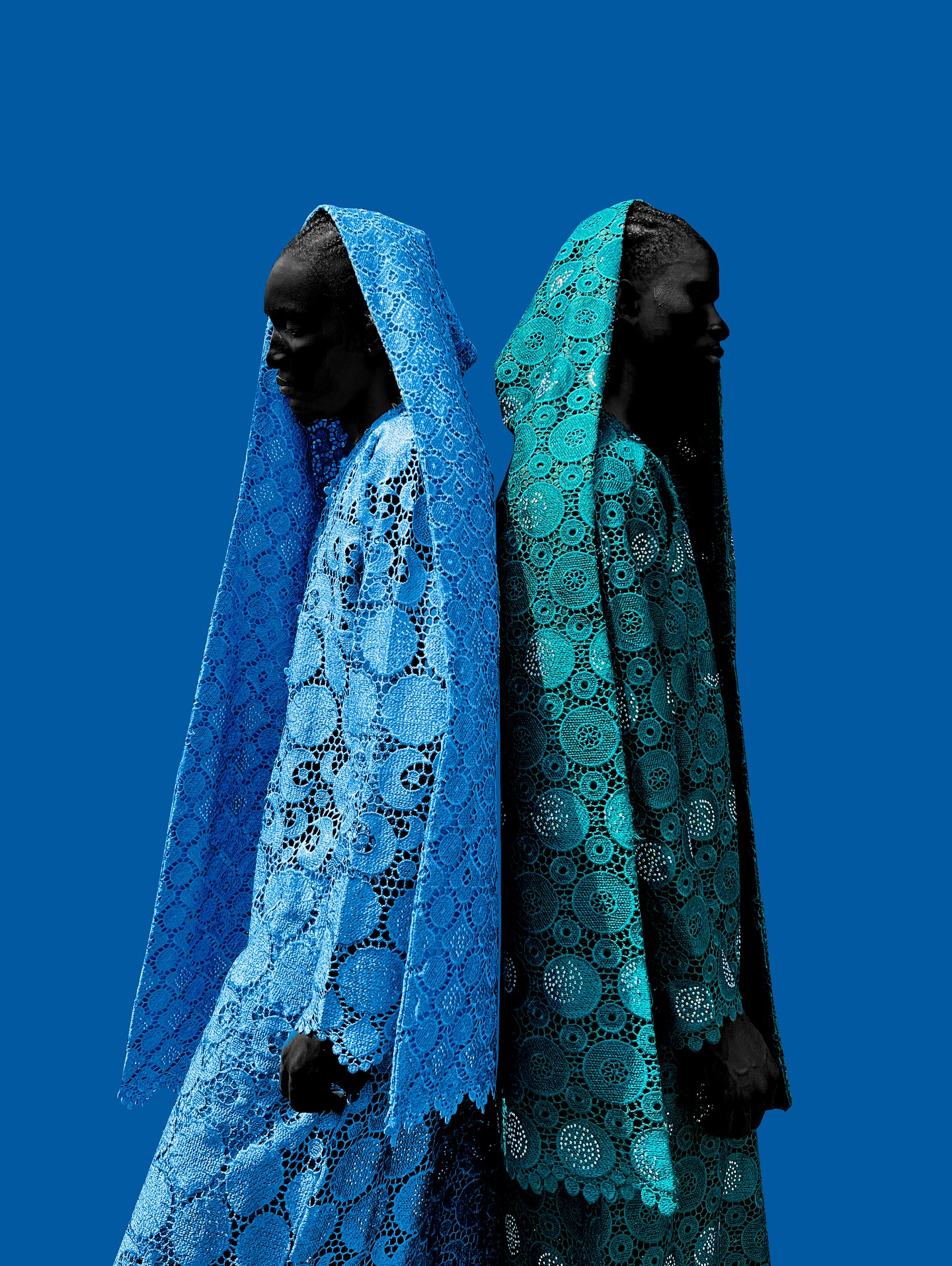
African fashion is still frequently reduced internationally to a familiar visual vocabulary: Ankara, bold prints, bright colour, heritage.
AFWL 2026 complicated that picture.
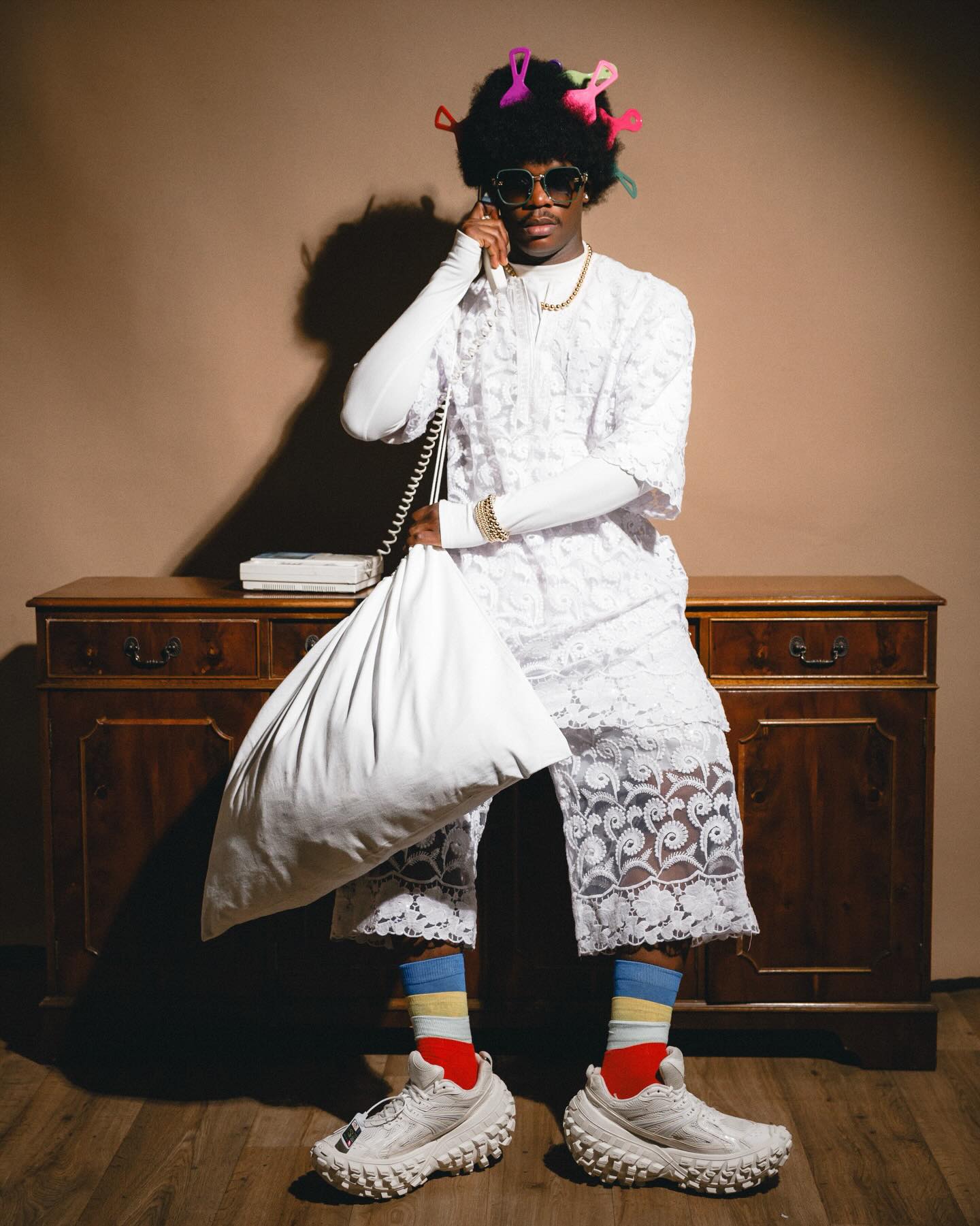
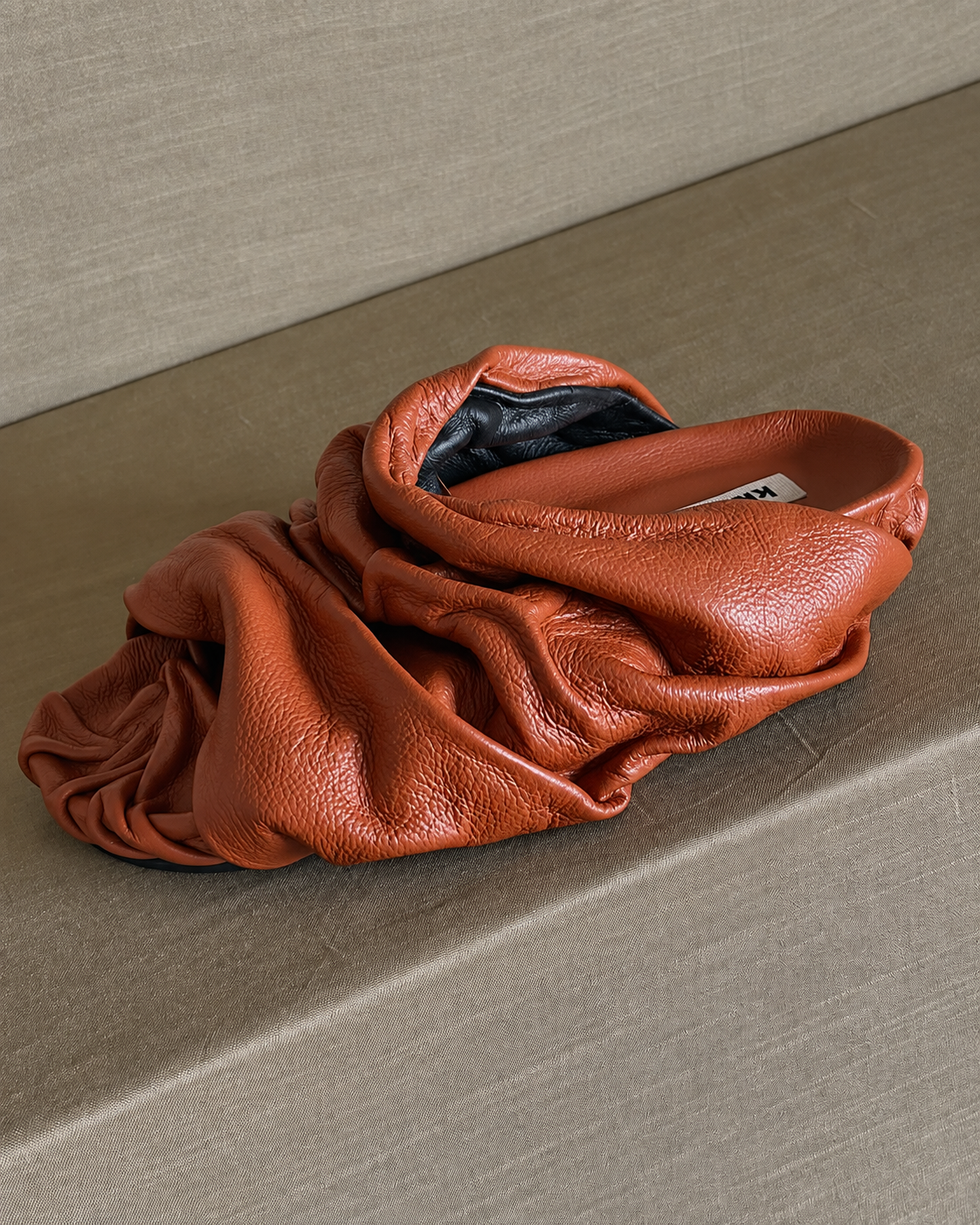
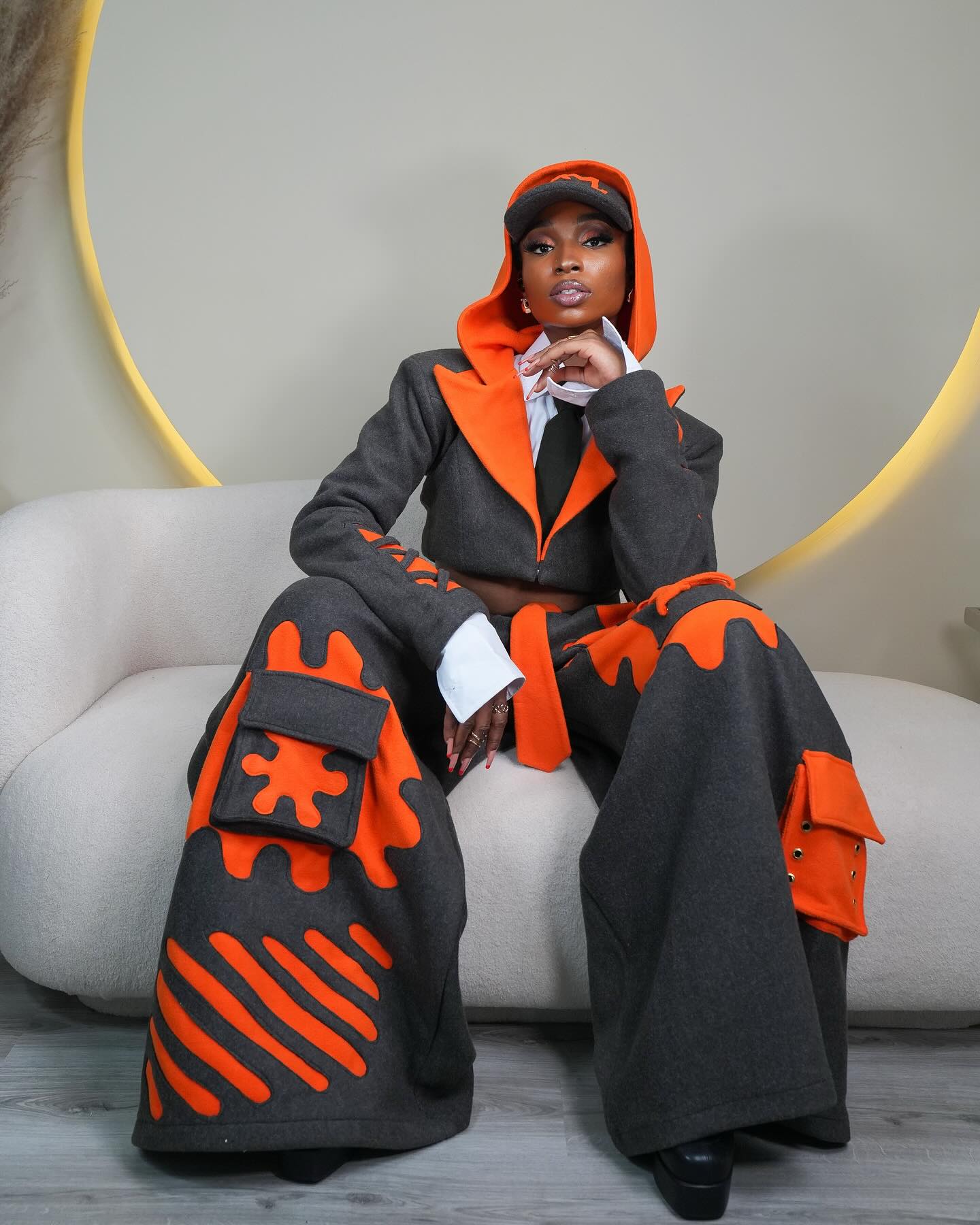
The runway moved from experimental Nigerian womenswear to Zimbabwean streetwear, Ethiopian Afrofuturism, Kenyan crochet, Ugandan couture and handcrafted accessories. The British Council’s Creative DNA programme alone brought ten designers from Ethiopia, Ghana, Kenya, Nigeria, Rwanda, Uganda and Zimbabwe into the week’s programme.
Among them was Ethiopia’s Xufan, a brand merging Ethiopian identity with gaming, digital art and futuristic streetwear. Soleil, from Zimbabwe, approached streetwear through African symbolism and sustainability. Kenya’s Atieno Studio reimagined crochet as contemporary resort wear, while Nigerian designer Dimeji Ilori treated clothing as wearable art concerned with spirituality, memory and identity.
That range may be the clearest expression of “Design Beyond Borders.”
There was no attempt to produce a single look that could conveniently represent an entire continent.
Good.
Africa is far too complicated for a mood board.
What AFWL did particularly well this year was allow heritage and experimentation to exist in the same sentence.
At the New Talent showcase, Nigerian label StyleByNerd presented its philosophy of “Fashion is a Canvas,” building wearable art through bold textures and limited pieces. Winchester School of Art’s Moroccan Majesty project, meanwhile, brought together Moroccan heritage and the visual traditions of London’s Pearly Kings and Queens.
Elsewhere, the Creative DNA cohort explored everything from slow craftsmanship to sustainability and digital culture.
This is where contemporary African fashion becomes most interesting. Tradition is no longer something designers simply preserve behind glass. It can be distorted, digitised, cut apart, rebuilt and sent back down a runway looking completely different.
The past becomes material for the future.
Fashion Was Never Alone
Even the boundaries around fashion itself became blurry.
Cuppy opened the week mentoring aspiring DJs before later joining the event’s cultural programme, while Yemi Alade entered the fashion conversation through YEM Beauty, which partnered with Zephans & Co for its HERITAGE presentation.
That collision of fashion, beauty and music felt distinctly African.
On this continent, style has rarely existed in isolation anyway. The musician influences the designer. The designer dresses the performer. Hair, jewellery, sound, photography and nightlife move together until separating them starts to feel unnecessary.
AFWL embraced that ecosystem rather than forcing fashion into a silent white room.
London, But On African Terms
There is symbolism in staging all of this in London.
The city contains one of the world’s most visible African diasporas while also operating inside a fashion system that historically looked toward Africa for inspiration far more readily than it handed African designers equal infrastructure.
AFWL reverses that gaze.
London becomes the meeting point, but Africa remains the source.
Post-event coverage described packed rooms as emerging designers shared the programme with established names including Mary Martin London, while Lesotho’s delegation brought another layer of regional identity to the catwalk.
And perhaps that is what “beyond borders” ultimately means.
Not abandoning where you come from.
Not sanding African identity down until it becomes easier to sell internationally.
But creating work specific enough to Lagos, Addis Ababa, Harare, Nairobi, Accra, Kigali or Maseru that the rest of the world has to travel towards it.
For 16 years, Africa Fashion Week London has argued that African designers deserve space on the global stage.
In 2026, the argument felt different.
African fashion is no longer asking where it fits.
It is designing the world it wants to enter.